
Are you tired of reading text on your phone or computer? Want to turn articles and documents into a podcast while doing chores or commuting? Then you need to check out these top text-to-speech devices! As someone who constantly juggles work, school, and everyday tasks, I’ve discovered the convenience of having a device that reads texts aloud for me. And trust me, it’s a game changer. In this article, we’ll dive into the world of text-to-speech technology and explore some of the best devices that make it possible. So sit back, relax, and let your ears do the reading!
So, Text to speech device?
There are many devices that make it possible to convert written text into spoken words. Some examples include smartphones, tablets, computers, e-readers and specialized assistive technology devices. These devices use advanced software and algorithms to analyze the written text and produce a synthesized voice that reads it aloud.
One of the most popular devices for text-to-speech is the Amazon Echo smart speaker. It uses Alexa’s voice assistant technology to read out articles, news updates or even books upon request. Another device is Apple’s iPhone which has a built-in feature called “Speak Screen” that can read any content displayed on the screen with just a swipe gesture.
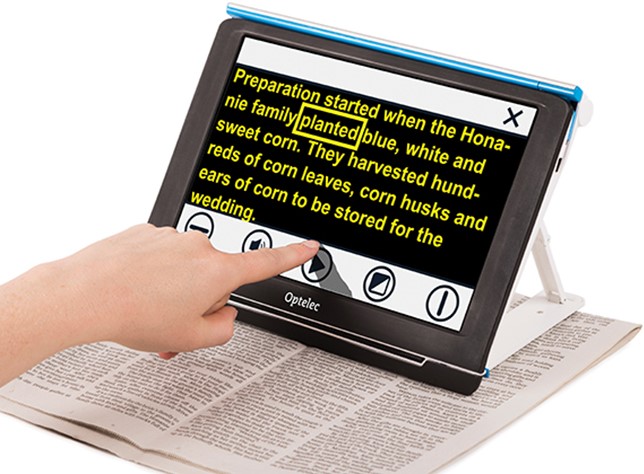
For individuals with visual impairments or learning disabilities, dedicated assistive technology devices like screen readers and speech synthesizers are essential tools for accessing information in an auditory format. These devices often have customizable settings such as different voices and reading speeds to cater to individual needs.
Thanks to these innovative devices, people who struggle with reading or have difficulty accessing written material now have greater independence in consuming information through audio means. Text-to-speech technology has opened up new possibilities for communication and accessibility in our modern world.
Exploring the Functionality of a Text-to-Speech Device
Text-to-speech devices are fascinating tools that transform written content into spoken words. Imagine reading a book without having to actually look at the pages! This technology works by analyzing text and converting it into clear, understandable speech. It uses complex algorithms to recognize letters, words, and sentences, allowing users to listen rather than read. For many individuals with visual impairments or learning disabilities, this can be a game-changer. They can access information just as easily as anyone else, fostering independence and enhancing learning experiences.
These devices often come with customizable features like different voice options and adjustable speeds. You might prefer a calm female voice one day and a cheerful male voice the next; it’s all about personal choice! Many modern applications also allow additional settings such as highlighting text as it is spoken aloud—this not only aids comprehension but makes it easier for users to follow along visually if they choose.
Furthermore, some devices support multiple languages or dialects which broadens accessibility even more. Overall, the functionality of text-to-speech technology enriches lives by making literature and information more accessible while promoting inclusivity in our increasingly digital world.
The Role of Artificial Intelligence in Text-to-Speech Devices
Artificial Intelligence (AI) has transformed text-to-speech devices into astonishing tools that can bring written words to life. Gone are the days of robotic voices stumbling through sentences. Today, AI algorithms analyze the nuances of human speech patterns, allowing these devices to produce remarkably natural and expressive voices. For instance, they adjust tone and inflection based on context, helping users feel as if they’re conversing with a real person rather than listening to a machine. This technology is particularly beneficial for those with visual impairments or reading difficulties, enabling them to access information effortlessly.
Moreover, advancements in deep learning have led to personalized experiences in text-to-speech applications. These systems often learn from user interactions over time, adapting their pronunciations and styles according to individual preferences. For example, a user may prefer a softer voice during bedtime stories but opt for an enthusiastic tone while reading news articles. With this adaptability:
- Users gain greater comfort.
- The experience becomes more engaging.
- A wider range of content is accessible.
Ultimately, AI empowers people by making communication richer and more inclusive—bridging gaps between texts and understanding like never before!

Read also: speech to text free software
Understanding the Benefits and Limitations of Using a Text-to-Speech Device
Text-to-speech devices have opened up a world of possibilities for many people. They transform written text into spoken words, making information more accessible. For those with visual impairments or reading difficulties, these devices act as helpful companions. Imagine listening to your favorite book while cooking! Text-to-speech technology can also aid language learners by providing proper pronunciation and intonation. This interactive experience enhances comprehension in ways that simply reading alone might not achieve. Additionally, studies show that auditory learning can improve retention rates, allowing users to engage more deeply with the material.
However, it’s essential to consider some limitations alongside these benefits. While many text-to-speech systems have advanced significantly, they still struggle with certain elements like emotional tone and nuanced expression.
Many devices may read out loud without inflection or rhythm, leading to a robotic quality that could detract from the overall experience.
Furthermore, specialized vocabulary—like scientific terms—may not always be pronounced correctly.
Users should also keep in mind that reliance on such technology might lead to decreased reading skills over time; thus finding a balance is crucial for maximizing both auditory and literacy abilities in our daily lives.
Conclusion: How To Choose The Best Text-To-Speech Device For Your Needs
Choosing the right text-to-speech device can feel overwhelming, but it really comes down to a few essential factors that cater to your specific needs. First and foremost, consider the clarity of voice. Some devices come with multiple voice options—think different accents or tones—which can greatly enhance your listening experience. It’s like picking out music; some tunes resonate more than others! Look for features such as natural-sounding voices that don’t sound robotic. Also, pay attention to how customizable these voices are. Can you adjust the speed or pitch? Having control over these aspects makes it easier for you to find what works best.
Another important factor is compatibility with various formats. Will this device read PDFs, eBooks, or even web pages? Ensure it supports all the document types you frequently use. Additionally, assess whether there are any special features tailored for specific populations—like those who may have visual impairments or learning disabilities. For example:
- Highlighting Text: This feature helps users follow along.
- Bookmarks: Great for easy navigation.
- User-Friendly Interface: A simple design makes everything smoother!
Ultimately, it’s about finding a device that feels just right for your unique lifestyle and preferences!
You may also like: ai in speech recognition
Read also: software for speech recognition


