

The Nvidia GTX 1660 series has become a cornerstone for mid-range gaming, yet many overlook the nuanced differences among the Ti, Super, and standard models. While the Ti offers robust performance for demanding titles, the Super’s enhanced specs can surprisingly outshine it in certain scenarios. So, which card really fits your gaming needs and budget? Let’s explore the performance dynamics and value propositions of these three options.
Overview of the GTX 1660 Series

The GTX 1660 series, launched between February and October 2019, consists of three distinct models: the GTX 1660 Ti, GTX 1660 Super, and GTX 1660.
Each card targets gamers seeking solid performance without breaking the bank. The 1660 Ti stands out with its higher CUDA core count and faster memory, making it the most powerful of the trio.
Meanwhile, the 1660 Super fills the gap effectively, offering enhanced clock speeds and memory, sometimes outperforming the Ti in specific titles.
The GTX 1660, while still capable, generally lags behind the other two models.
Ultimately, your choice depends on your gaming needs, but all three cards provide a good balance of performance and value within their segment.
Pricing and Availability Insights
While maneuvering through the current GPU market, you’ll find that pricing and availability for the GTX 1660 series cards remain challenging due to a persistent shortage.
Here are some key insights:
- Launch Dates: GTX 1660 Ti, GTX 1660, and GTX 1660 Super launched in early 2019, making them older models now.
- Stock Issues: All three cards are often out of stock, with local retailers seeing sporadic availability.
- Secondary Market: Prices on platforms like eBay can be greatly inflated compared to MSRP.
- Retailer Options: Consider checking Micro Center and Best Buy for potential stock, though competition is fierce.
Navigating this landscape requires patience, as the ongoing GPU shortage complicates the hunt for these cards.
Performance Comparison: GTX 1660 Ti, Super, and Standard

When comparing the GTX 1660 Ti, Super, and Standard, you’ll notice some intriguing performance metrics that could influence your choice.
Each card has its strengths in specific games, which means the right pick for you might depend on your gaming preferences.
Plus, examining the price-to-performance ratio can help you determine which card offers the best value for your gaming setup.
Performance Metrics Overview
Understanding the performance differences among the GTX 1660 Ti, Super, and Standard models can greatly impact your gaming experience and purchasing decision.
Each card brings unique strengths to the table, which you should consider:
- CUDA Cores: The GTX 1660 Ti has 9% more CUDA cores than the standard 1660, enhancing parallel processing.
- Memory Speed: The Super boasts a higher clock speed and memory compared to the base model, making it more efficient.
- Game Performance: In certain titles, the GTX 1660 Super can outperform the Ti, despite its lower overall specs.
- Value Proposition: The Super often delivers better value for gamers due to its price-to-performance ratio.
Game-Specific Performance Differences
Game performance can vary considerably between the GTX 1660 Ti, Super, and Standard models, depending on the titles you play.
In games like Resident Evil 2, the GTX 1660 Super may actually outpace the Ti, showcasing its superior clock speed and memory. However, for demanding titles that leverage the extra CUDA cores, the Ti holds an edge with about 9% more cores than the Standard variant.
The GTX 1660 consistently underperforms against both the Super and Ti models, making it less ideal for serious gaming.
Ultimately, your choice should hinge on the specific games you enjoy, as the differences can greatly impact your overall experience depending on their unique requirements.
Price-to-Performance Analysis
While selecting a graphics card, the price-to-performance ratio plays a crucial role in determining which model best suits your gaming needs.
The GTX 1660 series offers varying value propositions:
- GTX 1660 Ti: Slightly pricier, it delivers the best performance but offers diminishing returns compared to the Super.
- GTX 1660 Super: Positioned as the sweet spot, it provides better performance than the standard 1660 at a similar price point.
- GTX 1660: The most budget-friendly option, it underperforms compared to its siblings, making it less attractive.
- Stock Availability: Current shortages inflate prices, complicating the comparison.
Considering your budget and performance expectations, the GTX 1660 Super often emerges as the most balanced choice for gamers.
Ray Tracing and Reshade Capabilities
How do the GTX 1660 series cards measure up in terms of ray tracing and Reshade capabilities? Unfortunately, none of these cards come equipped with RT and Tensor cores, which means they lack native ray tracing and DLSS support.
While the GTX 1660 Super’s ray tracing performance is somewhat comparable to the GTX 1070, it’s still considered inadequate for modern titles. However, all three models support Nvidia’s ultra-low-latency technology, enhancing competitive play.
When it comes to Reshade, you’ll find full support across the lineup. The GTX 1660 Ti stands out slightly, as it’s better equipped to handle the performance impact of Reshade effects, allowing for a smoother gaming experience when applying these visual enhancements.
Evaluating the Redundancy of 1660 and 1660 Ti

The GTX 1660 Super emerges as a more compelling choice than the GTX 1660, especially when considering performance relative to price.
While the GTX 1660 Ti offers slightly better performance, the redundancy between the 1660 and 1660 Ti is notable.
Here’s what you should consider:
- Performance Gap: The GTX 1660 Ti only outperforms the 1660 by a small margin.
- Price Efficiency: The 1660 Super delivers superior performance at a comparable price to the 1660.
- Game Variability: In some titles, the 1660 Super even surpasses the Ti, particularly in scenarios with higher memory bandwidth.
- CPU Optimization: Adjustments to your CPU can close the performance gap between the Ti and Super.
Additionally, Nvidia’s RTX 40-series showcases how higher-end models can lead to significant performance improvements in gaming.
Ultimately, you’ll find the GTX 1660 Super to be the most sensible choice for gamers.
Why Choose the GTX 1660 Super?
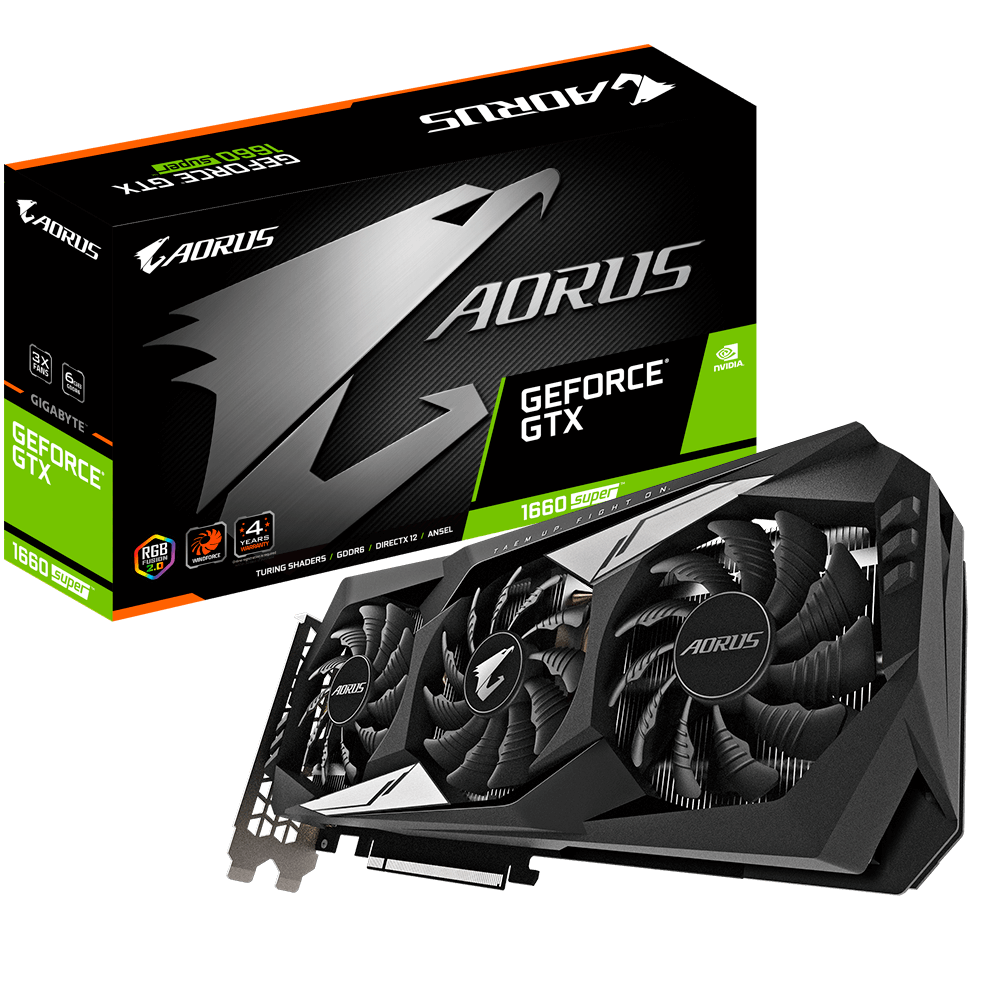
Choosing the GTX 1660 Super makes sense if you’re looking for superior performance without breaking the bank.
It offers a cost-effective gaming solution that balances power and price, making it an appealing option for gamers on a budget.
Plus, its enhanced compatibility features guarantee you can enjoy a wide range of titles seamlessly.
Superior Performance Metrics
While you might be tempted to opt for the GTX 1660 Ti due to its slight edge in specs, the GTX 1660 Super often delivers better real-world performance, especially in diverse gaming scenarios.
Here are four reasons why the Super stands out:
- Higher Clock Speeds: The GTX 1660 Super features improved clock speeds that enhance frame rates in various titles. This performance boost is crucial as 4K gaming becomes the standard.
- CUDA Core Efficiency: With a similar core count to the GTX 1660, it optimizes performance across a broader range of games.
- Memory Bandwidth: The Super’s faster GDDR6 memory provides an advantage in memory-intensive applications.
- Versatile Performance: It consistently outperforms the GTX 1660 in many games, making it a reliable choice for gamers seeking value.
Additionally, the importance of VRAM in modern gaming cannot be overlooked, as it can significantly impact performance in high-demand scenarios.
Choosing the GTX 1660 Super guarantees you get a more efficient gaming experience without sacrificing performance.
Cost-Effective Gaming Solution
When it comes to balancing performance and budget, the GTX 1660 Super emerges as a standout option for gamers.
This card offers a compelling mix of price and performance, outperforming the standard GTX 1660 while staying competitively close to the GTX 1660 Ti. With its higher clock speed and memory bandwidth, the Super delivers smooth gameplay in many popular titles, making it an excellent choice for 1080p gaming.
Plus, its price point often makes it more accessible than the Ti, without sacrificing much regarding performance.
If you’re looking for a reliable and cost-effective solution, the GTX 1660 Super stands out as a smart investment that balances both quality and affordability, ensuring you get the most bang for your buck.
Enhanced Compatibility Features
Given the rapid evolution of gaming technology, the GTX 1660 Super stands out not just for its performance but also for its enhanced compatibility features. These features make it an excellent choice for gamers looking for a reliable card that integrates seamlessly with various setups.
Here are a few reasons why you might choose the GTX 1660 Super:
- Support for Nvidia’s Ultra-Low-Latency Technology: Enhances competitive gaming experiences.
- Reshade Effects Compatibility: Easily integrates with your games for enhanced visuals.
- Wide Game Optimization: Performs well across various titles, often outpacing the GTX 1660 Ti in select games.
- Solid Driver Support: Regular updates guarantee compatibility with the latest gaming technologies.
The GTX 1660 Super is designed to keep you future-proofed while delivering solid gaming performance.
Current Market Alternatives to the GTX 1660 Series
As the GTX 1660 series faces stock shortages and rising prices, gamers should consider exploring current alternatives that offer better performance and availability.
The RTX 3060 Ti stands out, providing superior performance, ray tracing capabilities, and DLSS support, making it a robust choice for future-proofing your gaming setup. Additionally, the new Nvidia RTX 4070 Ti delivers excellent frame rates for 1440p and 4K gaming, appealing to gamers looking for high-end features.
Additionally, AMD’s RX 6600 XT offers competitive performance in a similar price range, especially for 1080p gaming.
If you’re looking for budget options, the RX 6500 XT can still deliver decent performance without breaking the bank.
Evaluating these alternatives not only enhances your gaming experience but also guarantees you get the best value amid the ongoing supply constraints impacting the 1660 series. Furthermore, understanding performance metrics is crucial in making a well-informed decision.
Future Considerations in GPU Selection
How can you guarantee that your GPU choice meets both current and future gaming demands? To make an informed decision, consider these factors:
- Performance Metrics: Look at benchmarks to understand how each card performs across various titles and resolutions.
- Future-proofing: Assess the card’s capabilities in handling upcoming gaming technologies, like ray tracing and DLSS.
- Market Trends: Keep an eye on AMD’s and Nvidia’s future releases to anticipate potential price drops or new technologies.
- Your Gaming Needs: Evaluate whether you’re a casual or competitive gamer; your requirements will dictate the level of investment needed for your GPU. Moreover, consider how ray tracing performance will play a crucial role in next-gen gaming experiences.
Balancing these elements will help guarantee your GPU remains relevant for years to come.
Final Thoughts on the GTX 1660 Lineup
While the GTX 1660 lineup offers solid performance for budget-conscious gamers, it’s essential to weigh their capabilities against the evolving gaming landscape.
The GTX 1660 Ti stands out as the most powerful option, yet the GTX 1660 Super often provides better value due to its performance in specific titles.
With the ongoing GPU shortage, finding any of these cards may prove challenging, and you might consider alternatives like the RTX 3060 Ti for similar pricing. Additionally, the higher core count in newer models like the i9-14900KS supports future gaming demands and enhances overall performance.
Furthermore, the lack of ray tracing support limits future-proofing. As seen with the competitive landscape in the GPU market, newer models like the RTX 3060 Ti may offer enhanced features and better performance.
Ultimately, if you’re seeking budget-friendly gaming, the Super is a smart choice, but keep your options open as new GPUs continue to emerge in this rapidly changing market.
Frequently Asked Questions
What Power Supply Is Recommended for GTX 1660 Series Cards?
When building a budget gaming PC, you’ll want at least a 450W power supply for the GTX 1660 series. This guarantees stable performance, especially during demanding sessions, while leaving room for future upgrades.
Are There Compatibility Issues With Older Motherboards?
You might encounter compatibility issues with older motherboards due to PCIe slot versions and BIOS requirements. Verify your motherboard supports the necessary specifications before upgrading to avoid potential performance bottlenecks or functionality problems.
How Do I Install the GTX 1660 Series Cards?
To install the GTX 1660 series cards, power off your PC, remove the side panel, insert the card into the appropriate PCIe slot, secure it, and connect power cables before closing the case and booting up.
What Cooling Solutions Work Best for These GPUS?
For ideal cooling, you’ll want efficient airflow, like a well-oiled machine. Consider aftermarket coolers, proper case ventilation, and thermal paste application. Liquid cooling can also enhance performance, keeping your GPU chill under pressure.
Can I Overclock the GTX 1660 Cards Safely?
Yes, you can safely overclock the GTX 1660 cards, but monitor temperatures closely. Use software like MSI Afterburner for adjustments, and gradually increase clock speeds to find the ideal balance between performance and stability without overheating.


