

When considering alternatives to the Nvidia RTX 4070, it is crucial to evaluate options that offer competitive performance without breaking the bank. Cards like the AMD RX 7700 XT and Intel Arc A770 present compelling choices for gamers and creators alike. But how do these GPUs stack up in real-world scenarios? Let’s explore their strengths, weaknesses, and what they mean for your next upgrade.
AMD RX 7700 XT: Performance and Value Analysis
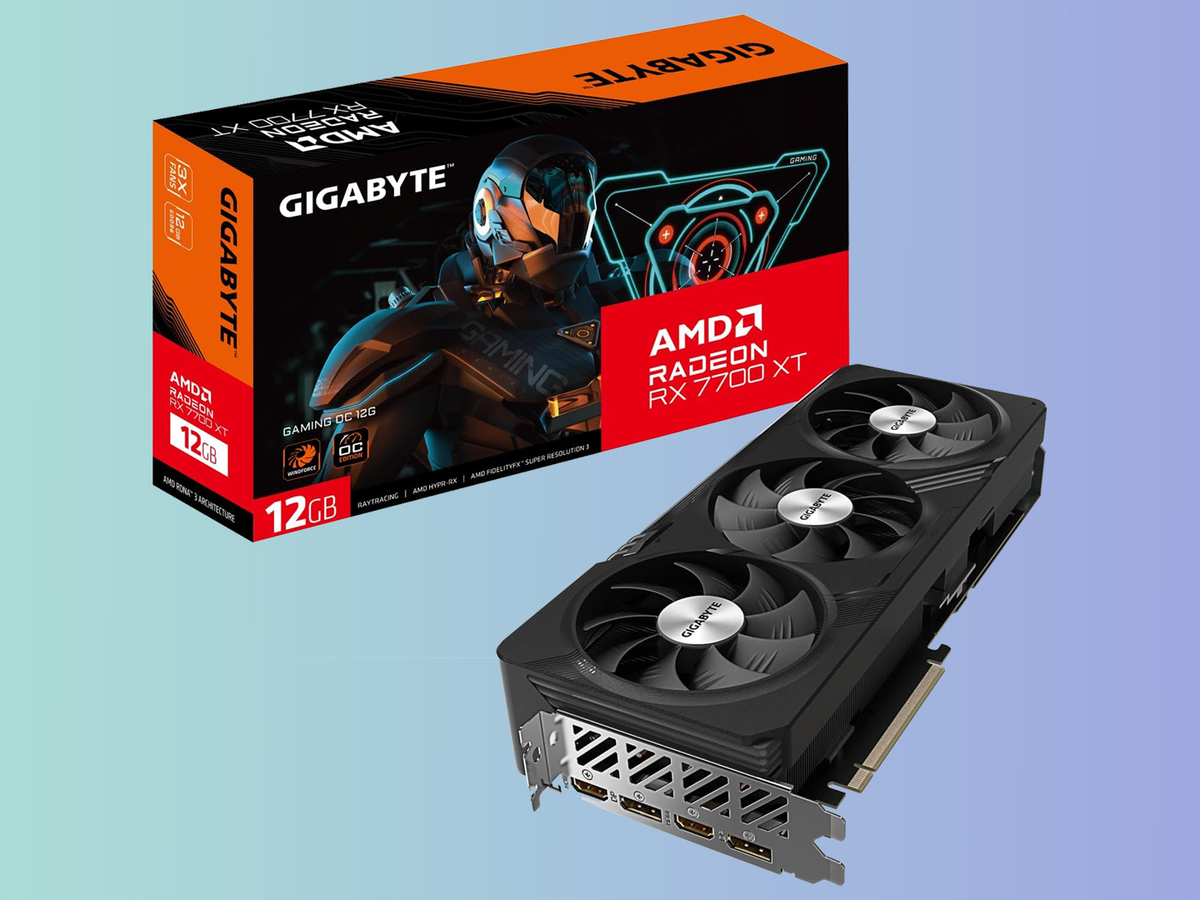
When considering the AMD RX 7700 XT, it’s important to weigh its performance against its price point, especially since it’s positioned as a mid-range option in a competitive market.
This card boasts a performance increase of 25% to 30% over the RTX 4060, particularly in non-ray tracing titles. However, it struggles to keep up with Nvidia’s offerings in ray tracing scenarios. Priced between $370 and $400, the RX 7700 XT seems to offer decent value, yet it faces criticism for its launch timing and strategic positioning against stronger alternatives. Additionally, the RX 7700 XT’s appeal may be influenced by its VRAM capacity, offering 16GB which can be advantageous in specific gaming scenarios. Furthermore, the RX 7700 XT’s higher memory bus provides a performance advantage, especially for high-performance gaming.
In a landscape filled with competitive models, evaluating the RX 7700 XT’s capabilities against your specific gaming needs will be vital for making an informed decision.
Intel Arc A770: Competitiveness Against RTX 4070

When comparing the Intel Arc A770 to the RTX 4070, you’ll find both cards offer competitive performance, but they shine in different areas.
The A770’s 16GB of VRAM gives it an edge in memory-intensive tasks, while pricing around $300 makes it a compelling choice for budget-conscious gamers. Additionally, the A770 competes well with the AMD RX 7700 XT in terms of performance, particularly in 1440p gaming scenarios. Furthermore, the A770 features ray tracing support that enhances flexibility in modern titles, making it a versatile option for various gaming experiences.
Understanding these performance metrics and their implications can help you make an informed decision.
Performance Metrics Comparison
Many gamers are curious about how the Intel Arc A770 stacks up against Nvidia’s RTX 4070.
Regarding performance, the A770 holds its ground, especially in certain scenarios. Here’s a quick comparison of key metrics:
- VRAM: The A770 features 16GB, which is beneficial for high-resolution textures. Additionally, the higher cache size of the A770 can help reduce latency in memory-intensive applications.
- Frame Rates: Both cards perform similarly at 1080p, with the A770 sometimes edging out in specific titles.
- Ray Tracing: While the RTX 4070 excels in ray tracing, the A770 still offers decent performance, making it competitive.
- Power Consumption: The A770 generally consumes less power, appealing to efficiency-focused gamers. Additionally, the A770’s higher memory bandwidth can enhance performance in demanding scenarios, giving it an edge in select applications.
Pricing and Value Analysis
The Intel Arc A770 presents a compelling value proposition for gamers looking at alternatives to Nvidia’s RTX 4070, especially considering its price point and performance capabilities.
Priced around $300, it competes directly with the RTX 4060, offering 16GB of VRAM—an advantage over the 8GB found in many counterparts. This VRAM advantage allows the A770 to handle higher resolution textures effectively, enhancing gaming experiences in certain titles.
In various gaming scenarios, the A770 trades blows with the RTX 4060, making it a strong contender for those focused on value.
While it may not always outperform the RTX 4070, the A770’s price and performance balance could appeal to budget-conscious gamers.
Plus, its ability to handle demanding titles at 1080p makes it a worthy consideration in today’s graphics card market. Additionally, the A770’s efficiency is noteworthy, as it consumes less power compared to the RX 7600, providing an advantage in long gaming sessions.
AMD RX 6800: A Strong Contender for 1440p Gaming
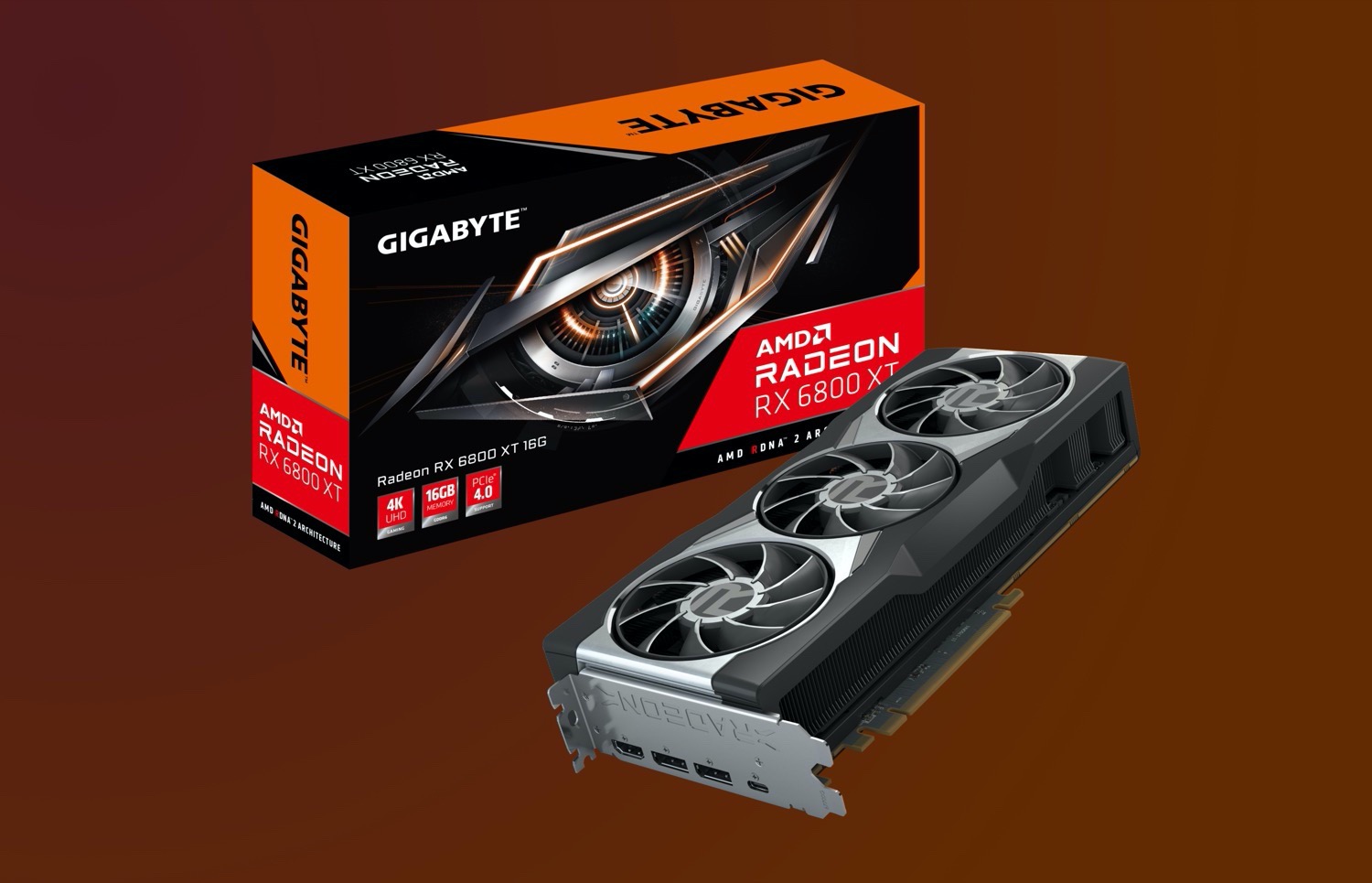
Despite the competitive landscape of graphics cards, the AMD RX 6800 stands out as a formidable option for gamers looking to tackle 1440p gaming.
With its robust performance and impressive specs, it’s a worthy alternative to the RTX 4070. Here are some key reasons why you should consider it:
- Performance: Roughly 20% faster than the RTX 4060, making it excellent for 1440p.
- VRAM: Equipped with 16GB of VRAM, it handles demanding titles effortlessly.
- Price Point: Priced around $370, it offers great value compared to competitors.
- Versatility: Capable of 4K gaming, it provides flexibility for future upgrades, positioning it as a strong choice in the GPU lineup landscape.
Additionally, the RX 6800’s performance in demanding titles like Assassins Creed Valhalla showcases its capability to deliver an immersive gaming experience.
In short, the RX 6800 is a solid choice for anyone serious about gaming at higher resolutions.
Nvidia RTX 3070: Still Relevant in Today’s Market
As gamers seek powerful yet affordable options, the Nvidia RTX 3070 remains a compelling choice in today’s market.
With performance approximately 20% faster than the RTX 4060 at 1080p, it excels in both 1080p and 1440p gaming. Its strong ray tracing capabilities make it an attractive option for those wanting to experience enhanced graphics without breaking the bank.
Although it lacks DLSS Frame Generation in demanding titles, the RTX 3070 still delivers impressive frame rates across a range of popular games. Currently, you can find it on the secondhand market for $280 to $350, making it a cost-effective alternative as newer models emerge.
AMD RX 7600: Budget-Friendly Gaming Option

Looking for a budget-friendly option that still delivers solid performance? The AMD RX 7600 is an appealing choice, especially for gamers on a budget.
Here’s what makes it stand out:
- Price Range: Priced between $250 and $270, it offers great value for its capabilities.
- 1080p Gaming: It handles demanding games smoothly at 1080p, ensuring high frame rates.
- Ray Tracing: While it’s decent with lighter ray tracing titles, you might want to temper your expectations.
- Competitive Edge: It performs about 10% slower than the RTX 4060, yet excels in specific games like Cyberpunk 2077.
This graphics card balances affordability and efficiency, making it a solid contender in today’s gaming landscape.
Performance Comparisons: Key Metrics to Consider
When evaluating alternatives to the Nvidia RTX 4070, it’s important to take into account several key performance metrics that can greatly impact your gaming experience.
Focus on frame rates at your desired resolution, especially 1080p and 1440p, as these will determine how smooth your gameplay feels. Additionally, consider VRAM capacity; cards like the Intel Arc A770 and AMD RX 6800 with 16GB can handle more demanding textures.
Ray tracing performance is also vital if you enjoy visually stunning games, though some AMD cards may lag behind Nvidia in this area.
Finally, examine pricing relative to performance, ensuring you find a balance that fits your budget while delivering the gaming experience you expect.
Upcoming Releases: What to Expect in the GPU Market
As new GPU releases approach, you can expect significant performance boosts that could change the landscape of graphics cards.
Key competitors are gearing up to launch models that may redefine value and efficiency, prompting shifts in pricing strategies across the board.
Staying informed about these developments will help you make smarter purchasing decisions in an increasingly competitive market.
Anticipated Performance Boosts
Anticipating significant performance boosts in the GPU market, many enthusiasts are enthusiastic for the next wave of graphics cards set to redefine gaming experiences.
You can expect:
- Nvidia’s Top GPU: Rumored up to a 70% performance boost, transforming gaming capabilities.
- AMD’s RX 7800 XT: Expected to enhance efficiency and performance, potentially challenging Nvidia’s dominance.
- Intel’s Arc Series: Enhancements in drivers and optimization may improve performance parity with competitors.
- Value-Oriented Models: A shift towards budget-friendly GPUs, delivering impressive performance for mainstream gamers.
As these releases approach, stay informed about benchmarks and reviews to make the best choice for your gaming setup.
The landscape is evolving, and your next graphics card could dramatically elevate your gaming experience.
Key Competitor Releases
With new releases on the horizon, the GPU market is poised for a transformative shift that could redefine gaming standards.
You can expect AMD to introduce the RX 7800 XT, potentially offering impressive performance gains and improved ray tracing capabilities, aiming to challenge Nvidia’s dominance.
Meanwhile, Intel’s Arc series is set to expand, promising to deliver more competitive options with higher VRAM configurations, appealing to gamers seeking value without sacrificing quality.
Nvidia, too, is rumored to be launching its next-gen GPUs, with expectations of up to a 70% performance increase for top models.
These releases could reshape your choices, emphasizing the importance of performance-to-price ratios as you navigate the evolving market landscape.
Pricing Strategy Shifts
While the GPU market is on the brink of significant transformations, shifts in pricing strategies will play a crucial role in shaping consumer choices.
As new models emerge, you can expect the following trends:
- Value-oriented Pricing: Brands like AMD may focus on budget-friendly options, appealing to gamers on a budget.
- Competitive Positioning: Nvidia may adjust prices to maintain its market dominance against emerging competitors.
- Market Reactions: Consumer sentiment will influence pricing; negative feedback can lead to price drops on underperforming models.
- Supply and Demand: Availability of GPUs will directly affect pricing, potentially leading to fluctuations as demand rises or falls.
Understanding these factors will help you make informed decisions in the evolving GPU landscape.
Frequently Asked Questions
How Does Ray Tracing Performance Compare Across These Alternatives?
When comparing ray tracing performance, you’ll find Nvidia generally excels, particularly with RTX cards. AMD’s offerings lag behind in ray tracing, but they deliver superior raw performance in non-ray traced games, balancing choices for gamers.
What Are the Power Consumption Ratings for These Graphics Cards?
Imagine your gaming rig humming like a well-tuned engine. The AMD RX 7600 sips power, while the RX 6800 roars. Intel’s A770 balances efficiency and performance, making power consumption essential in your selection process.
Are There Any Compatibility Issues With Older Motherboards?
Yes, you might face compatibility issues with older motherboards, especially regarding PCIe slot versions and power supply requirements. Always check your motherboard specifications and ascertain your PSU meets the graphics card’s demands before upgrading.
What Cooling Solutions Work Best for These GPUS?
When considering cooling solutions for GPUs, you’ll want to prioritize efficient airflow and temperature management. Aftermarket coolers, liquid cooling systems, or high-performance air coolers can greatly enhance thermal performance and longevity for your graphics card.
How Does VRAM Impact Gaming Performance in These Models?
VRAM considerably impacts your gaming performance, especially in demanding titles. Higher VRAM allows for better texture loading and smoother gameplay, reducing stuttering and enhancing visuals, particularly at higher resolutions or in memory-intensive scenarios.


